Continuing education and the practice
Why a small-town practice sends its dentist and staff to courses all year — and what came back with them.
Education is a running cost, not a certificate
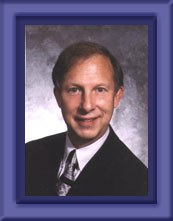
Continuing to meet our patients' demands, the staff and Dr. Steele continue their education on a regular basis. Courses are not collected for the wall: each one is chosen because it answers a question the practice was already asking.
Occlusion courses changed how bites are rebuilt before crowns are made. Implant treatment-planning courses changed which cases we take on here and which we refer. A course on dental materials changed the composites we use. When a technique is new and accepted, this office offers it — and when it is merely new, we wait.
What that means for you
- Treatment plans reviewed against current evidence, not habit.
- Materials chosen for longevity rather than convenience.
- Complex cases planned with the same protocols taught on the courses.
- A hygienist and assisting team who are trained, licensed and updated too.
The full course list is on the continuing education record page; the equipment those courses are applied with is described on the office page.
The record below is a representative year from the practice archive. Ask the office for the current year's courses if you would like the up-to-date list.
Four courses that changed the practice
A short list, chosen because the effect is visible in the chair.
Occlusion
Dr. Frank Spear's Institute for Advanced Education — how a bite is analysed before restorations are designed.
Implants
Comprehensive treatment planning for the implant patient, Indianapolis Study Club.
Esthetics
Advanced strategies in esthetic dentistry and the tooth-coloured restoration.
Diagnosis
The brush biopsy for cancer, from the Indiana Dental Association annual meeting.
Questions the glossary did not answer?
A short conversation is usually faster than a long search. Call the office, or send a question and we will point you in the right direction.